How we do it
Our model
We restore native forest at scale. We are innovators. We do it with local communities.
Reforestation
Restoring the native forest at scale
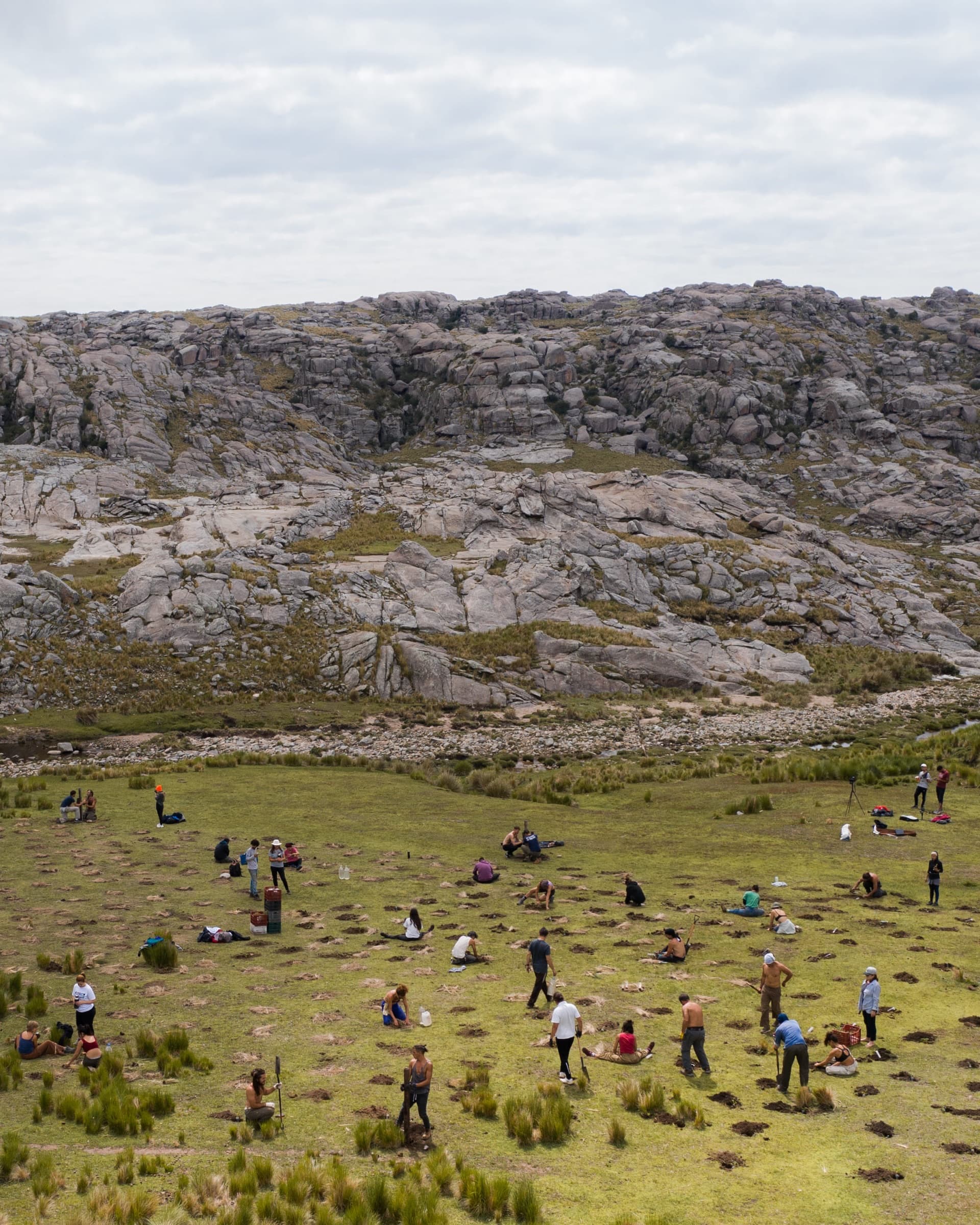
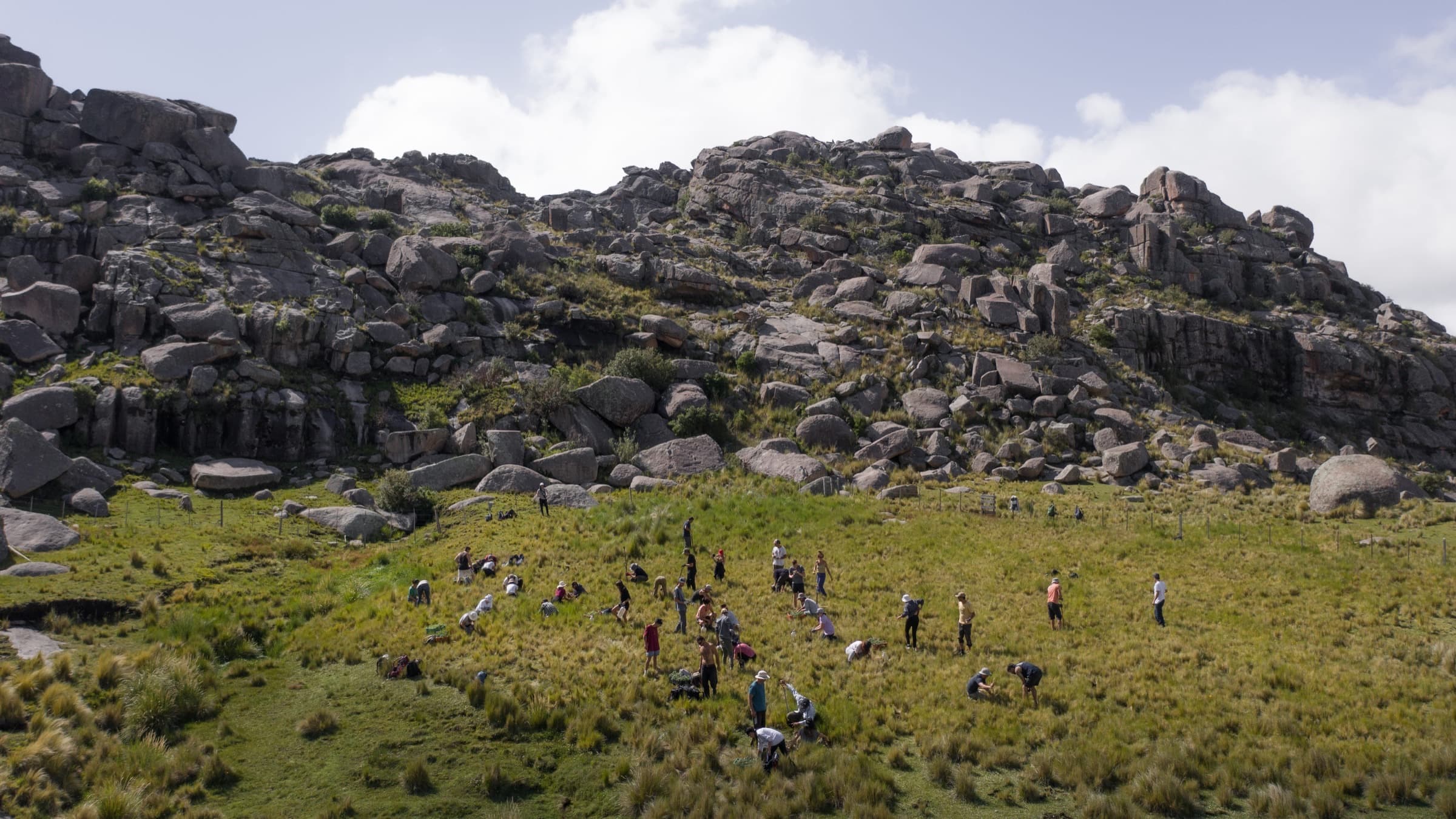
By sowing and planting Polylepis Australis (tabaquillo) at scale, we restore the highest-elevation forests in the world. This favors infiltration and regulation of the water cycle, biodiversity, and the recovery of a unique and endangered ecosystem. Our goal is to restore 30,000 hectares of native forest and grassland in the Sierras Grandes, and to promote direct seeding of native trees at scale in other ecosystems where high-altitude Polylepis forests grow. We are currently focused on a 1,600-hectare core with the purpose of planting 1,250,000 trees there.
We manage the whole process: from seed collection with high quality standards, to production and planting. We have planted more than 450,000 trees so far. For two years we have been developing cutting-edge technology for direct Polylepis seeding in the field. This innovation cuts operating costs by up to 75% and raises our ability to scale.
Target ha.
Trees to plant
Trees planted
Cost / tree
“The highest-elevation forests in the world.”
Our model has a comprehensive monitoring system that includes perimeter fencing, firebreaks, people on the ground, and surveillance technology through camera traps and early-warning software.
- Perimeter fencing
- Firebreaks
- People on the ground
- Camera traps
- Early-warning software
Our model makes it possible to plant large territories with high efficiency at low cost. We currently spend USD 1 per tree, covering the whole process, and our goal with the new technologies we are developing is to bring that down to USD 0.40 per tree next year.
Access to land
Land purchase and conservation
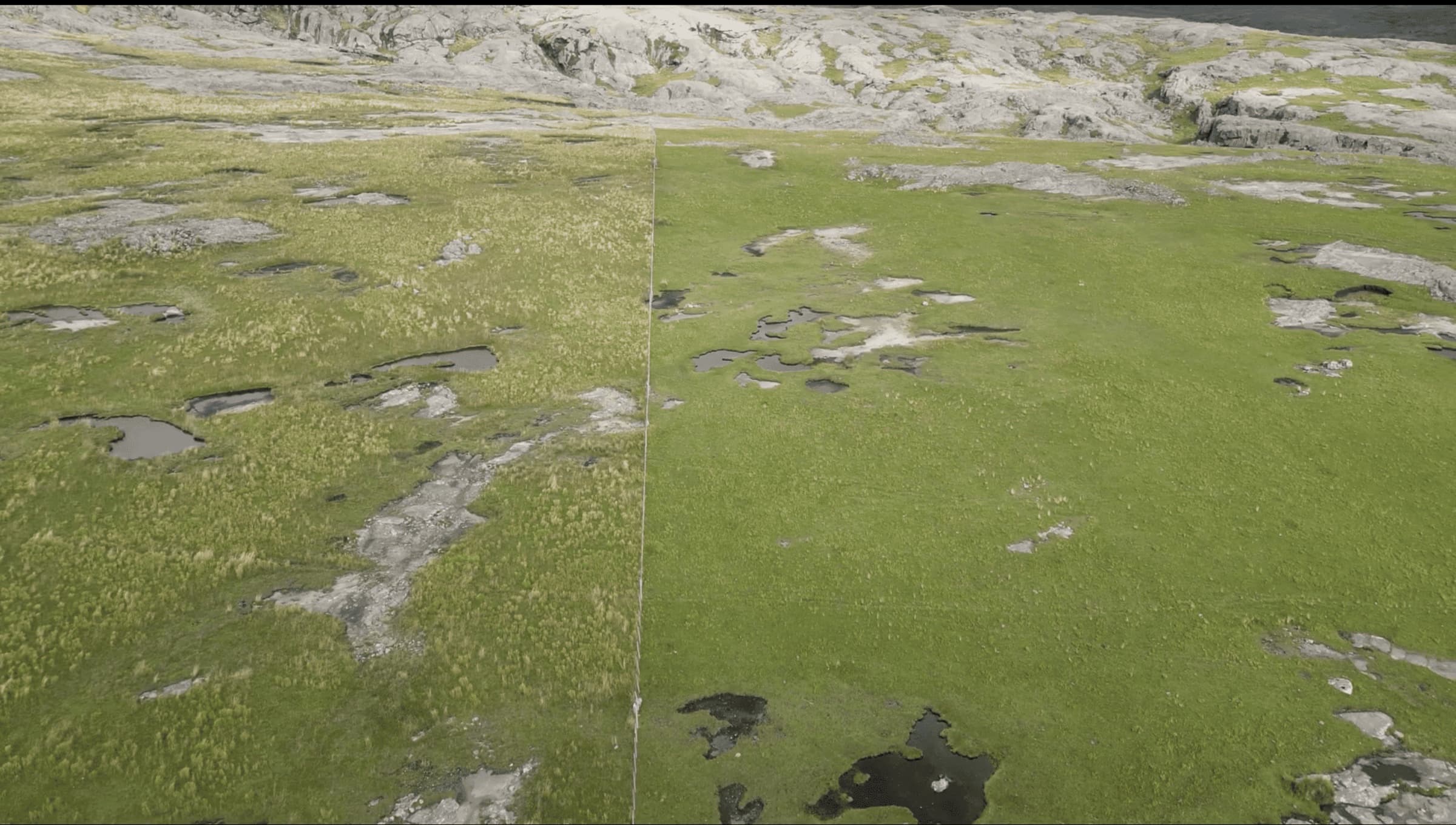
In the Sierras Grandes of Córdoba, we run a sustained process of purchasing and protecting land to secure the survival of the native forest. Today we have 709 hectares under our reserve model: 209 are already forest in full growth, and the remaining 500 are going through an active transition and restoration process.
Ha. under reserve
Ha. of grown forest
Ha. in transition
Target ha. (Protected Area)
Through legal agreements with neighbors and adjacent landowners, we establish conservation easements that protect the ecosystem in perpetuity. We have also been developing for two years a Natural Protected Area model with which we aim to expand this impact to 20,000 hectares, consolidating one of the most important biological corridors in the region.
Research
We innovate to scale restoration
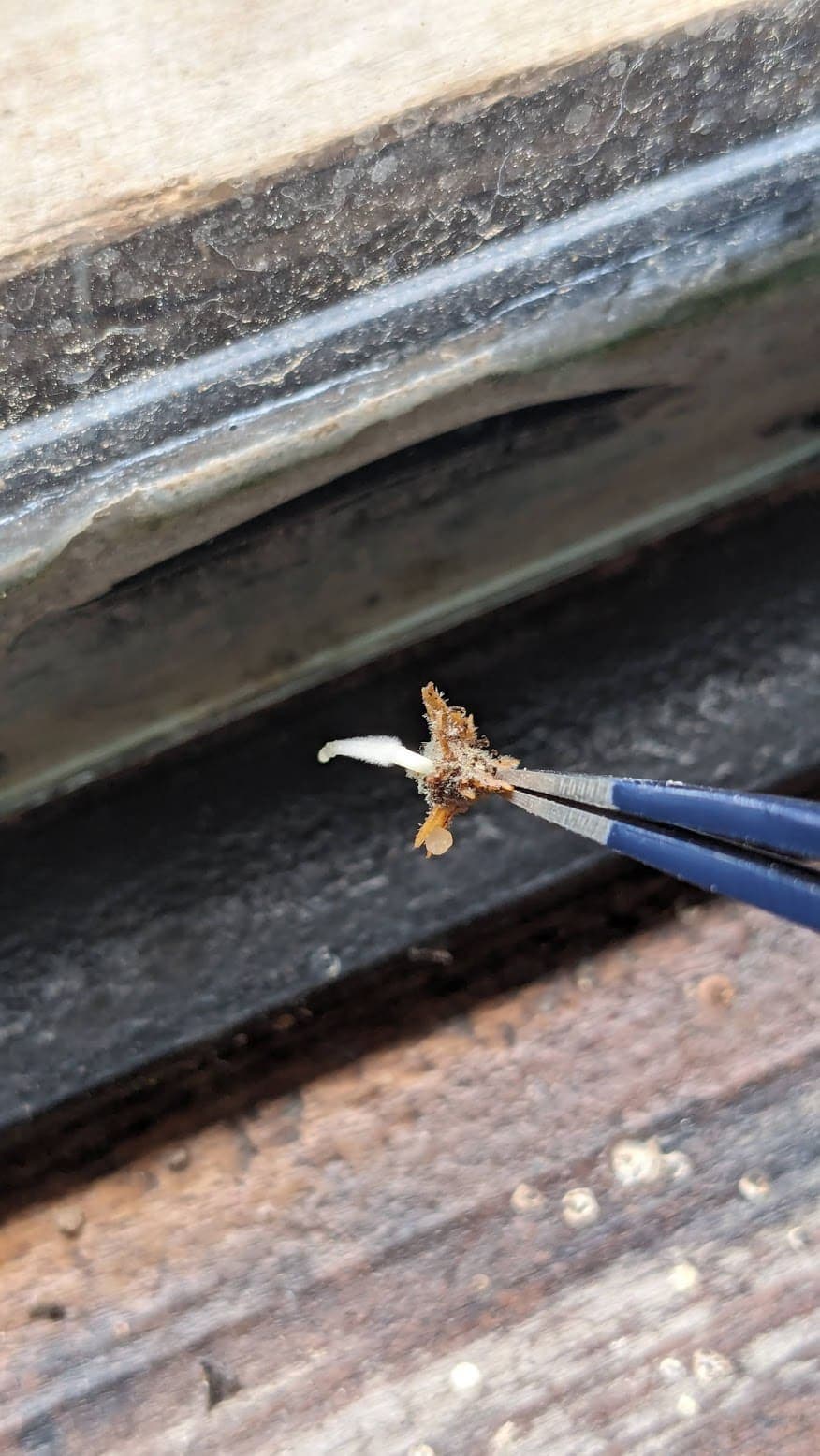
Planting native forest at scale faces obstacles the traditional method can't solve: high costs, inefficient processes, heavy inputs and complex logistics. A few years ago we decided to tackle that at the root, and developed a direct-seeding system in the field that fully changed our way of working.
10%
Previous germination
90%
Current rate
We built our own lab, studied Polylepis seeds in depth and went from a 10% germination rate to 90%, with a +55% field establishment. The result: per-tree costs cut by 75% and scaling capacity multiplied by five.
We also developed a trekking stick that injects seeds into the soil as people walk. We built industrial-scale seed-processing technology. And today we are taking these solutions to every territory in Latin America where Polylepis grows, with the conviction that technology can be a powerful ally in forest restoration.
Germination
Field establishment
Cost per tree
Scaling capacity
Community
People are the engine of regeneration

Volunteers
Jobs
Community on socials
People are the engine of territorial regeneration. That is why building community is not a complement to our work — it is an essential part of it. We believe that every piece of the ecosystem is equally fundamental for it to be healthy and thriving, and that includes the people who inhabit it.
We work alongside the local communities of the Sierras Grandes and the Calamuchita Valley, who lead the daily operational chain. We have a permanent team devoted to research, logistics and nursery coordination, and during intensive harvest and planting campaigns we scale up to more than 70 direct jobs. We believe the best way to convey the value of a forest is by planting it. More than 700 volunteers have already taken part in our nursery and field days, and today we are a community of 70,000 people on social media united by the care of the forest.
“Every piece of the ecosystem is equally fundamental — and that includes the people who inhabit it.”
We also build agreements with local ranchers to transform their practices into regenerative ranching. We work with neighbors to promote the care of native flora and fauna.